Biodiversity on Te Kinga
The Predator Free Te Kinga Project employs comprehensive biodiversity monitoring to track ecosystem recovery and measure the effectiveness of predator control efforts:
Acoustic Monitoring and 5-minute bird counts
Trail cameras are deployed at 500m spacings throughout the project. AI classifiers determine what species are present and send notifications to staff via an online portal.
Acoustic monitoring recorders are used to detect bird and bat species.
Five-minute bird counts are performed at around 100 stations on an annual basis.
Canopy surveys are recorded using drone footage and compared annually.
Monitoring for both skinks and geckos is carried out using artificial cover objects and checked regularly.
Weta motels are placed at intervals and checked to monitor weta populations.
eDNA surveys are used to detect skinks
Te Kinga participate in the annual Garden Bird Survey
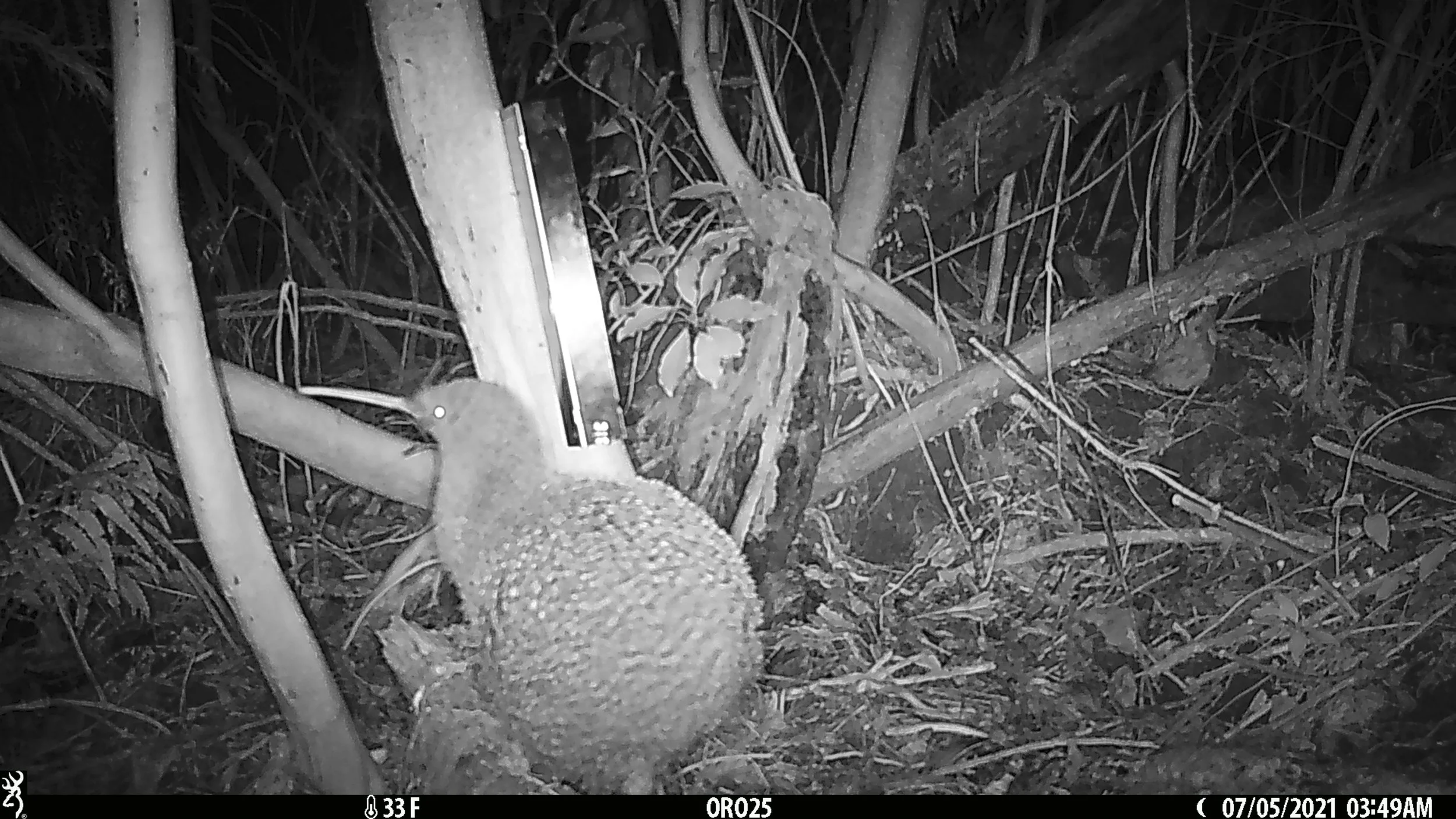
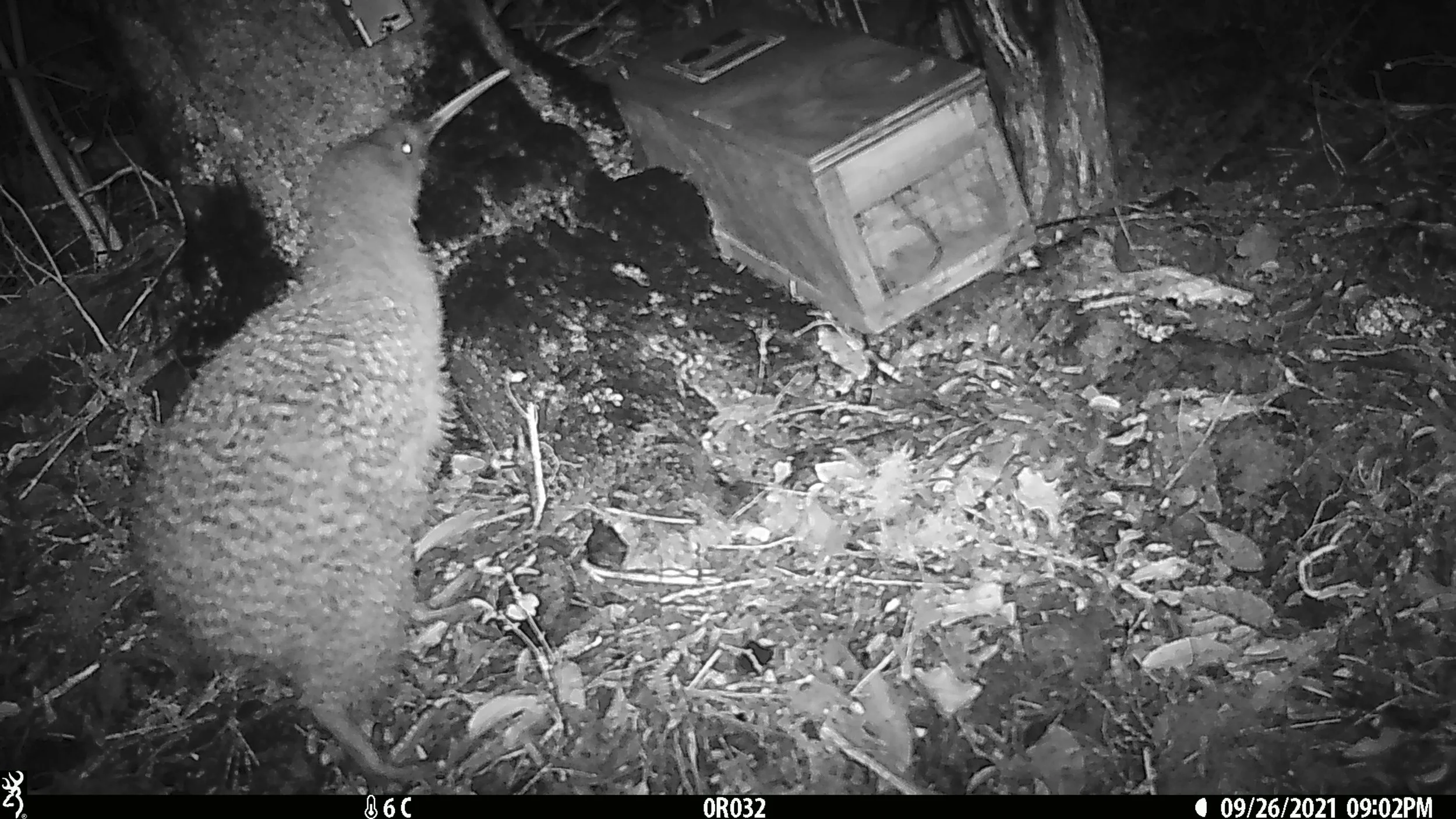
Early in the project, a roroa (great spotted kiwi) was detected high on the slopes of Tekimoka (Mt Te Kinga). This individual has been consistently recorded on trail cameras and through audio monitoring throughout the life of the project. As only a single bird has ever been seen or heard—and recordings confirm it is a female—it is believed to be the only kiwi currently living within the project area. Additional roroa are known to inhabit the nearby Alexandra Range, just beyond the project boundary.
Other native species are also beginning to return. Although locals reported that kākā had not been seen in the area for decades, staff have recently observed them visiting the site. Small flocks of tītīpounamu (rifleman) are now appearing on the mountain, and there have been confirmed sightings of kārearea (New Zealand falcon) and matuku-hūrepo (Australasian bittern) within the project area. These signs point to a recovering ecosystem.
The project actively monitors native bird populations using trail cameras, acoustic recorders, and five-minute bird counts. Drones are deployed to assess canopy vegetation recovery, while forest gecko and wētā populations are tracked using artificial cover objects
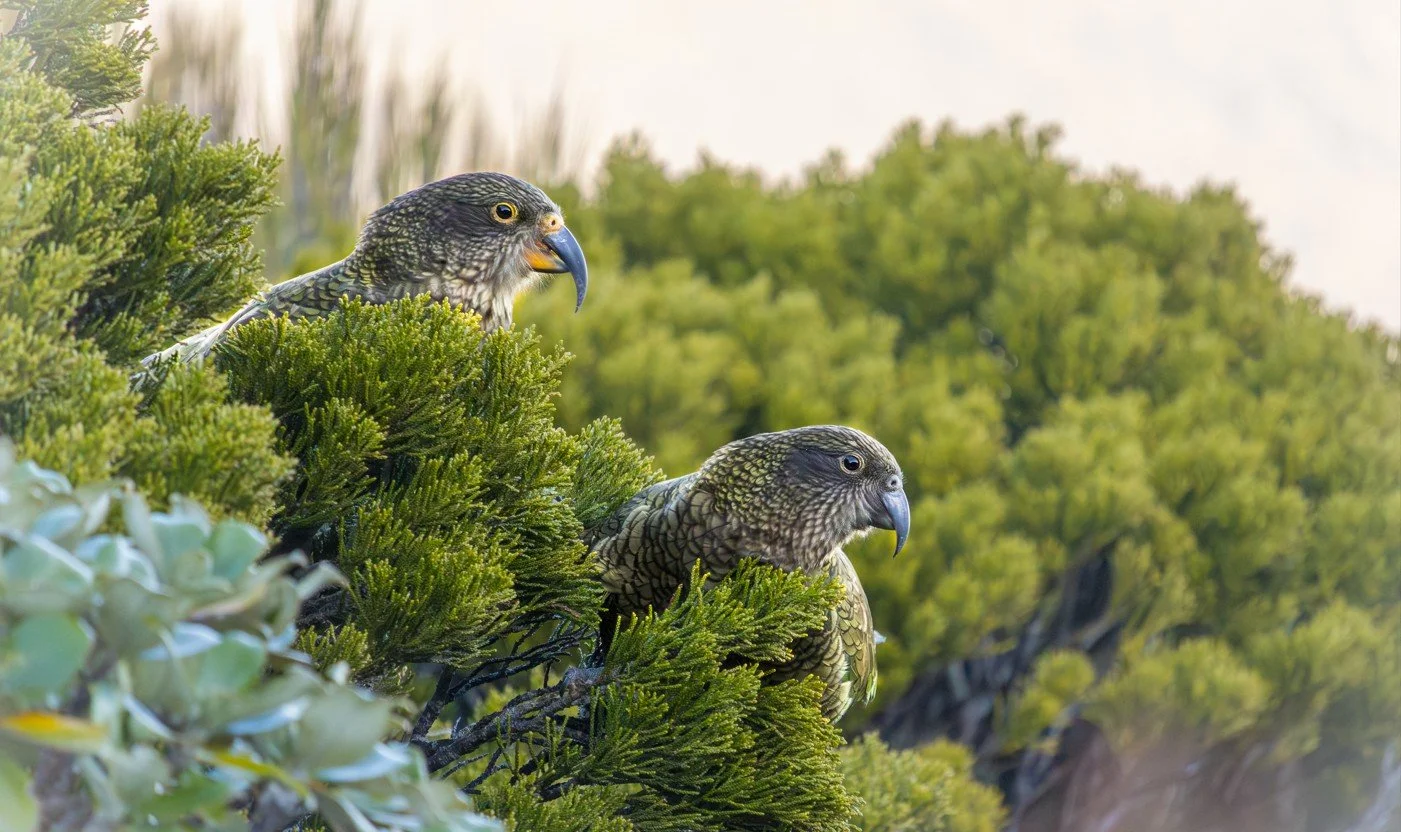
Kea
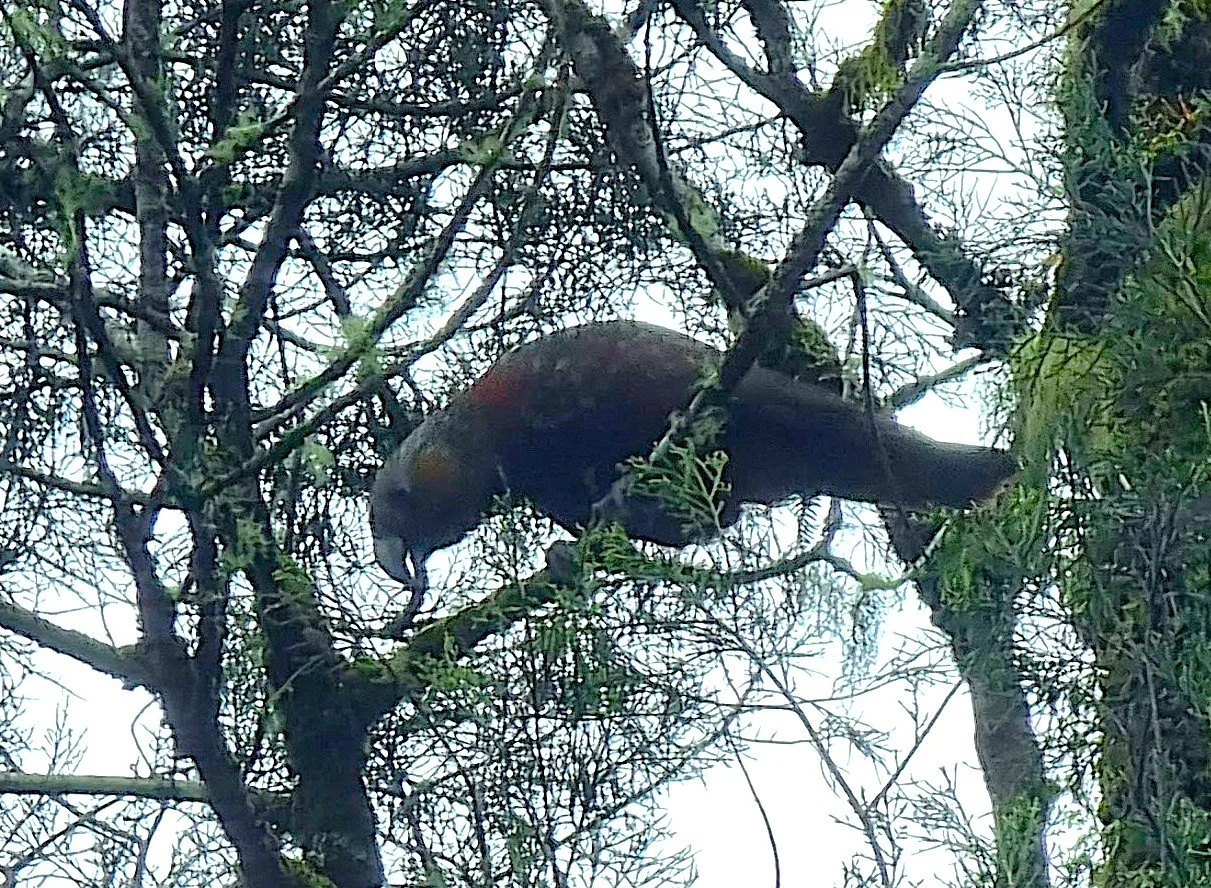
Kaka
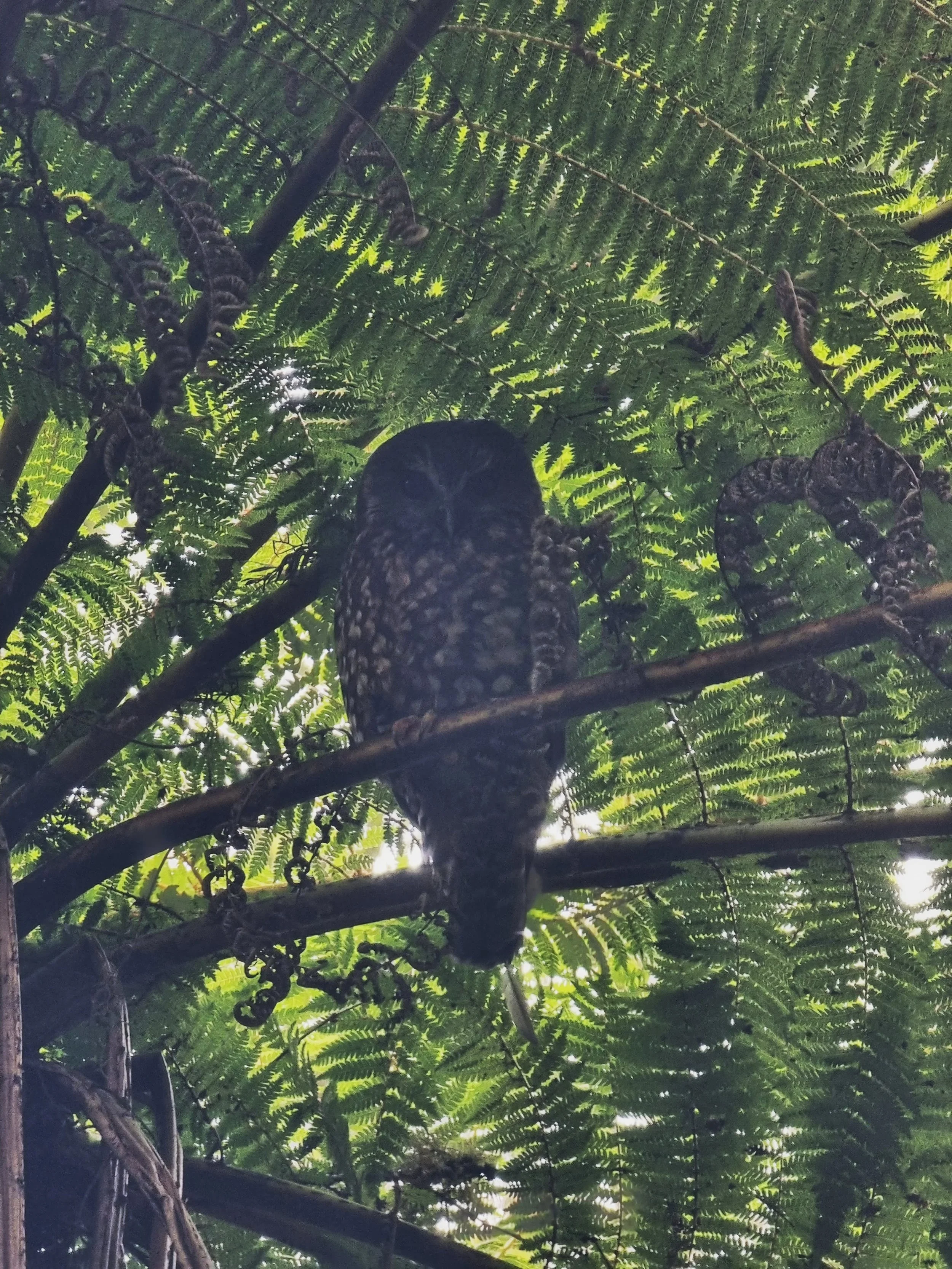
Ruru (morepork)
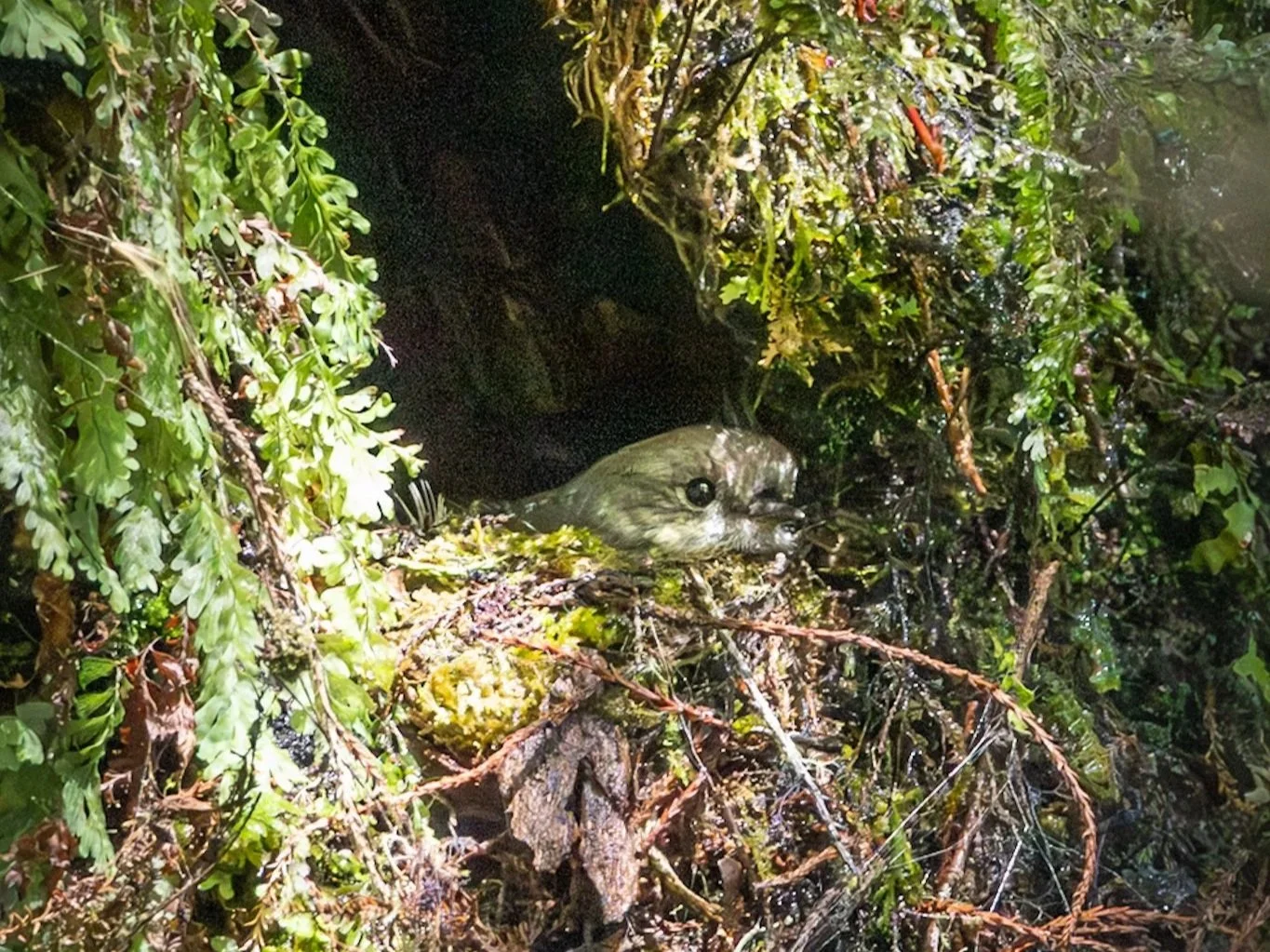
Kakaruai on nest
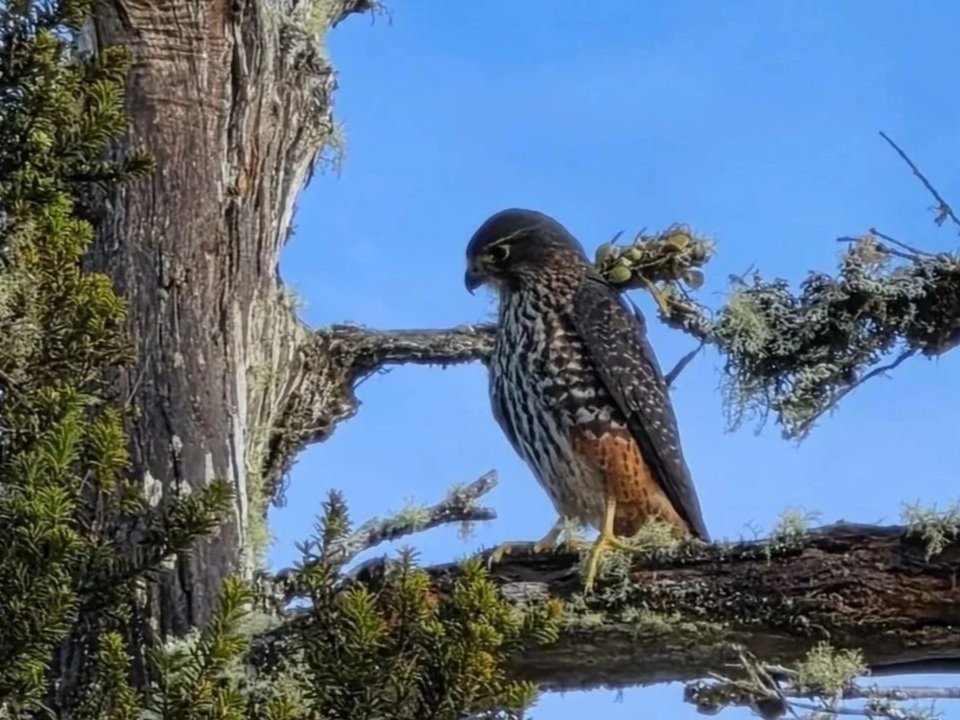
Karerea (falcon)
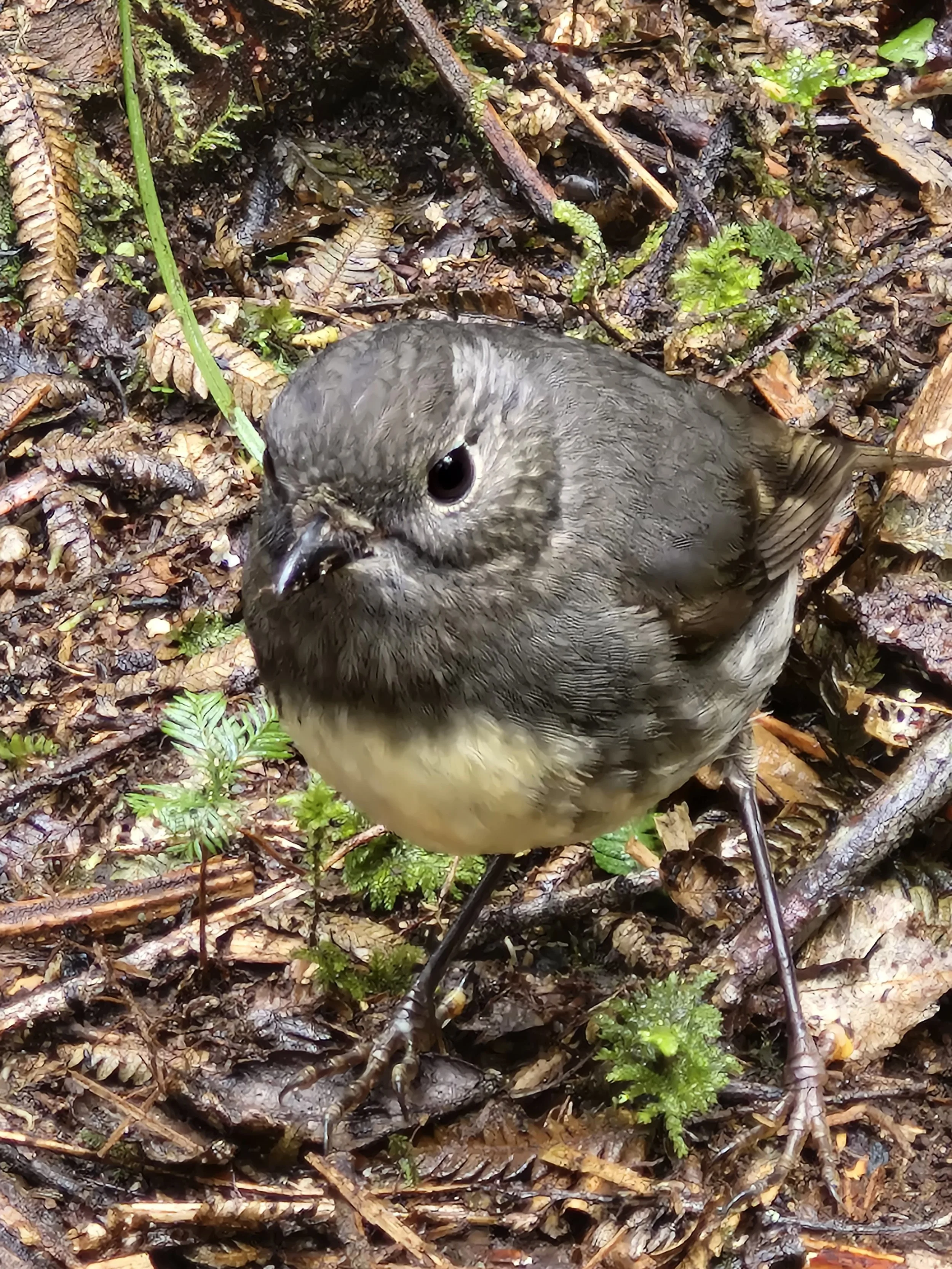
Kakaruai (robin)
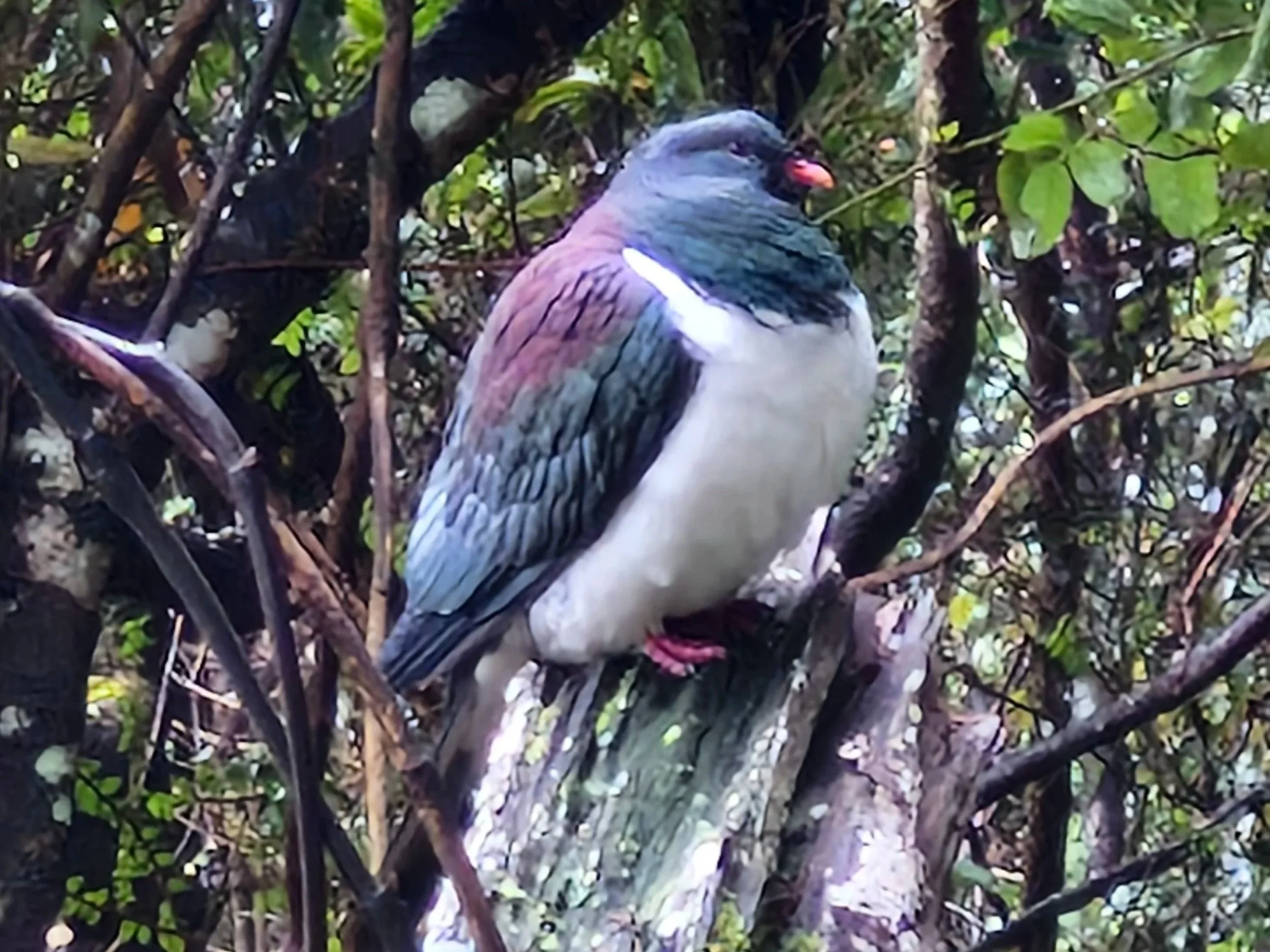
Kererū (wood pidgeon)
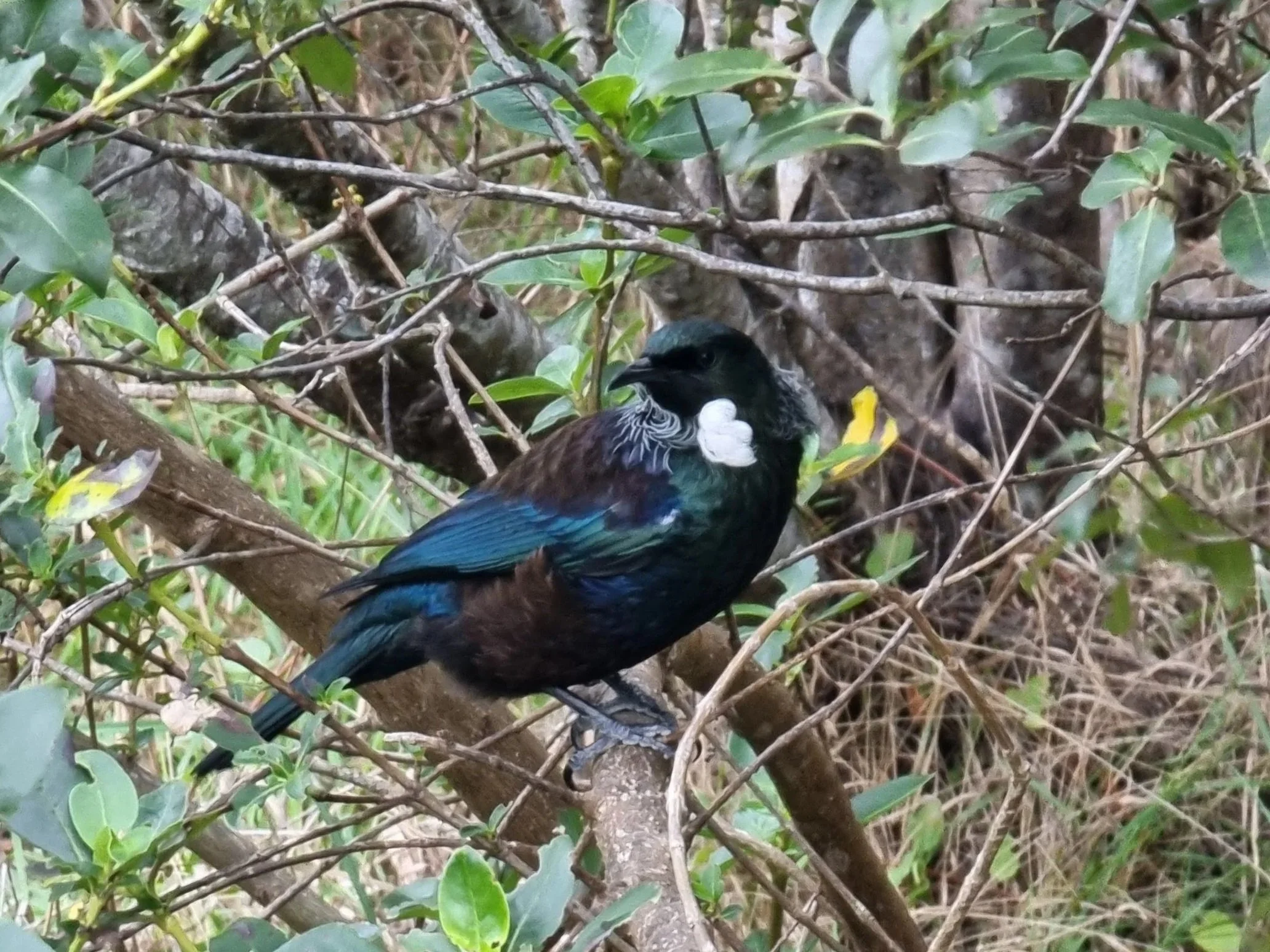
Tui
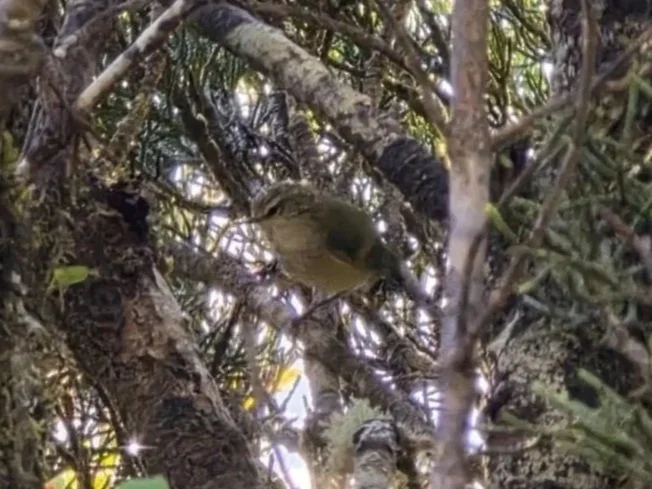
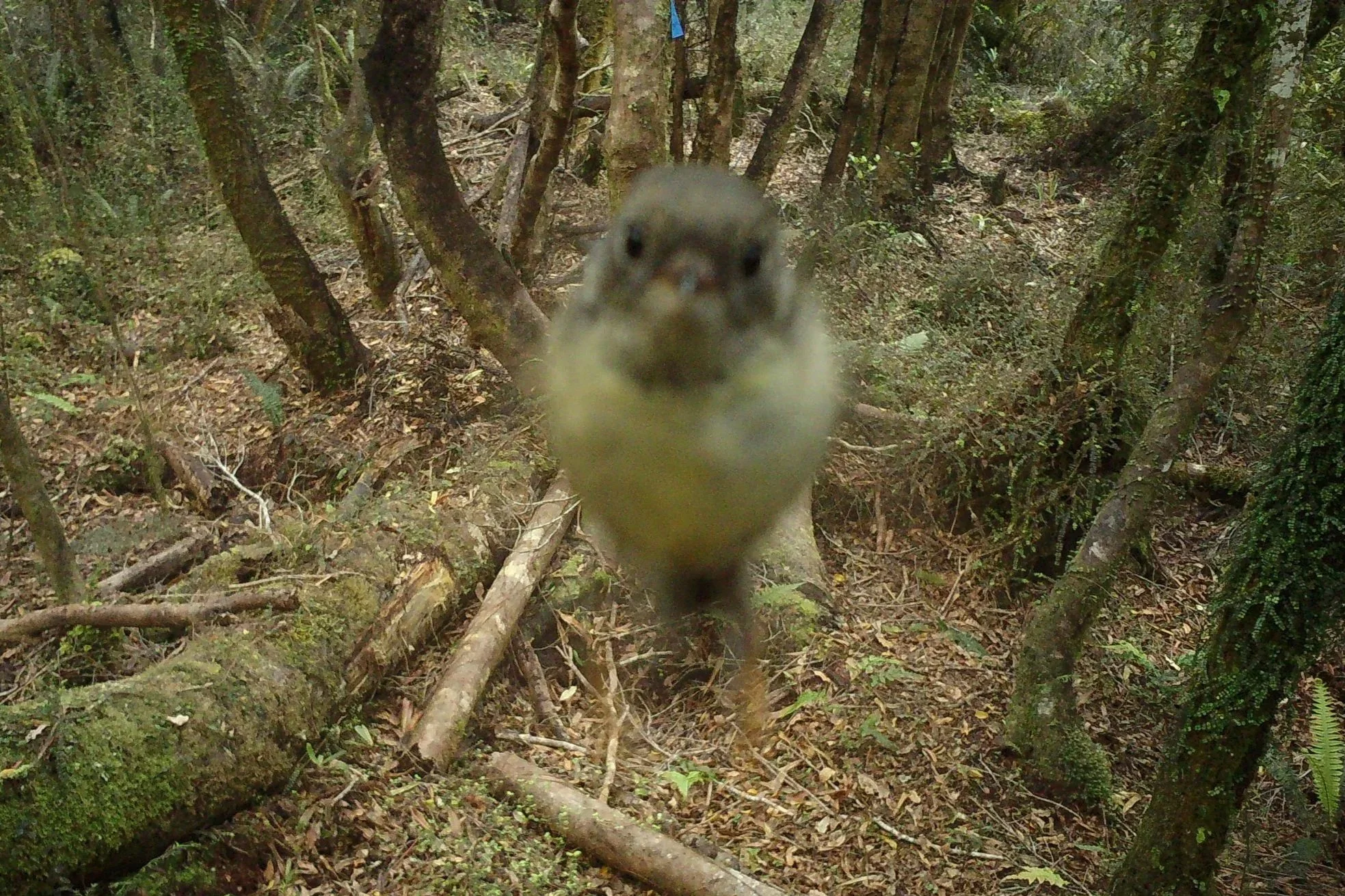
Titipounamu (rifleman)
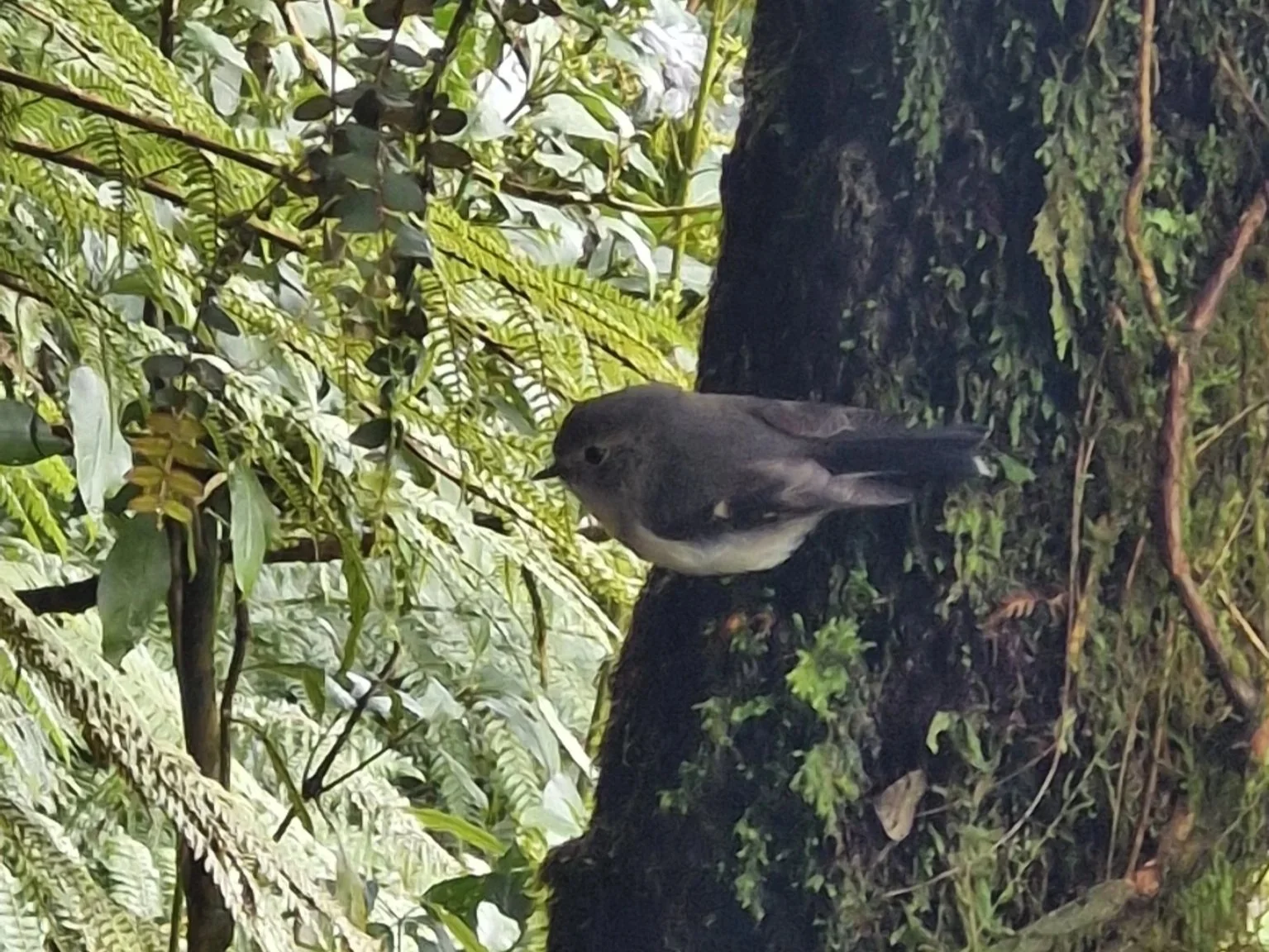
Miromiro (tomtit)
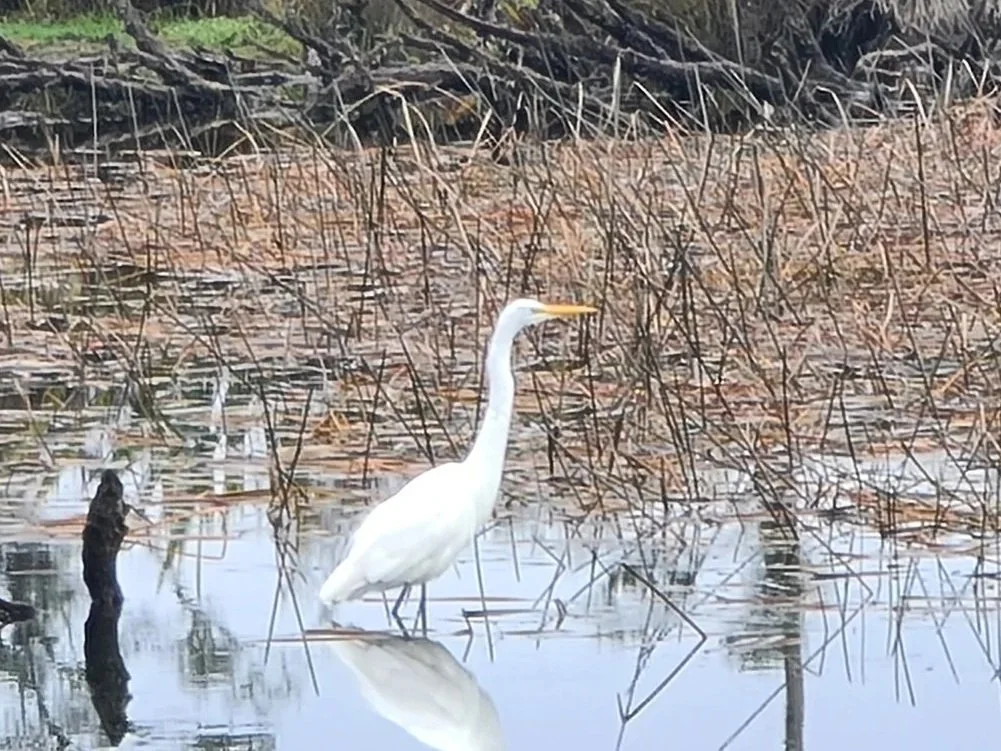
Kōtuku (white heron)
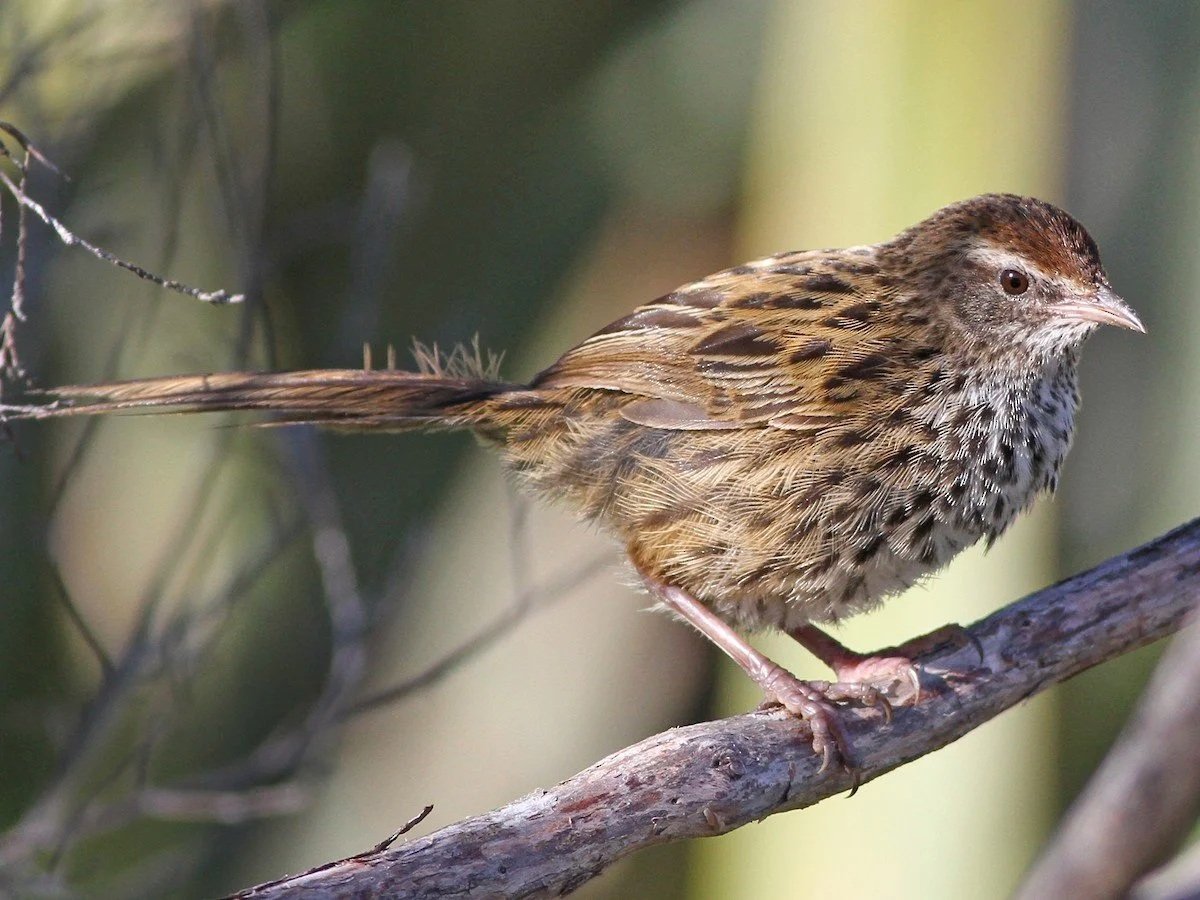
Mātātā (fernbird)
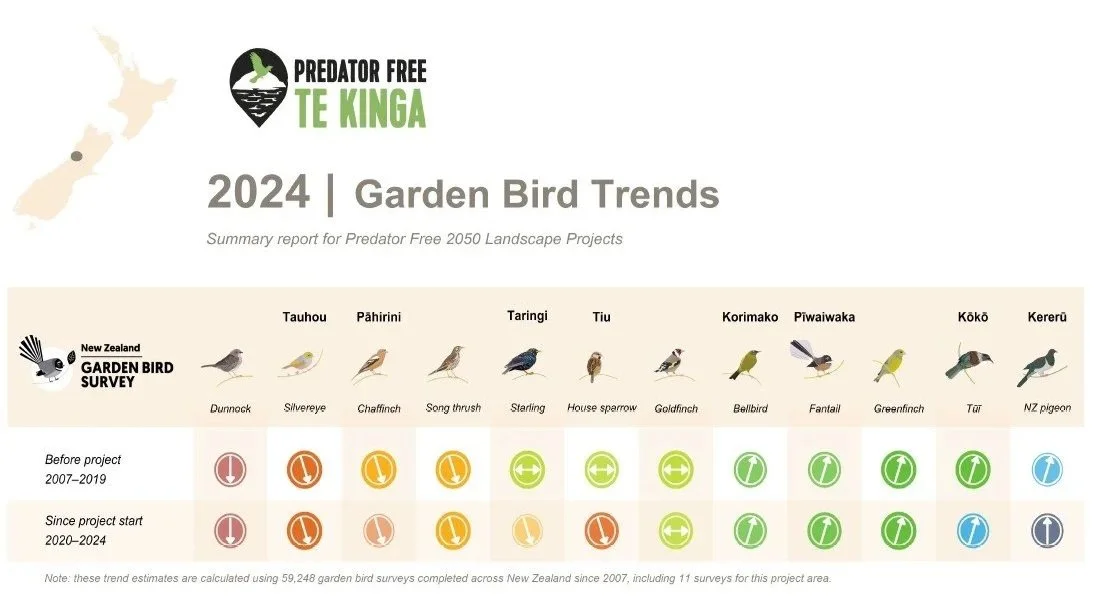
The New Zealand Garden Bird Survey is a national project to show trends in bird populations. It depends on an annual survey carried out in gardens throughout NZ by people in their own backyards.
Trends in the numbers of birds counted have been analysed for the Te Kinga area and show a general increase in native species with a decline in some exotic species. Kereru, tui, piwakawaka (fantail), and korimako (bellbird) are all continuing to increase, with only tauhau (silvereye) still on the decline.
Interestigly, exotic species are almost all declining with only greenfinch bucking the trend.
It is important to note that this data is not very robust as there are only a small number (11) of data points in the Te Kinga area. If you would like to add to the data each year, look for the annual NZ Garden Bird Survey invite on our Facebook page each year in early June.